In the digital age, your resume is no longer the single source of truth for your professional identity. Before a hiring manager schedules an interview, before a client signs a contract, or before a board approves a partnership, they do one thing: they check your social media.
Social media was once a digital playground. Today, it serves as a living resume. When a professional produces verified content—posts, articles, or videos that are authenticated by platform algorithms or third-party validation—they are creating a "proof of work" that employers and clients value. Verification provides a layer of trust that protects a career from the rising tide of misinformation and AI-generated deepfakes. By securing a verified status, professionals signal that their insights, achievements, and identity are legitimate. Building Authority Through Authenticity onlyfans2023enafoxplayer456fuckssquidgam verified
A mid-level marketing manager at a Fortune 500 company ran a popular "snark" account on X. The account was verified (blue check) but listed their real employer in the bio. They tweeted a highly offensive, satirical take on their company’s new product launch. Because the account was verified, journalists assumed the tweet was an official leak. The manager was terminated within 48 hours for "bringing the brand into disrepute." Beyond the Blue Check: How Verified Social Media
Your digital footprint is often the first thing a recruiter sees. In fact, approximately 73% of hiring managers use social media to evaluate job applicants. Today, it serves as a living resume

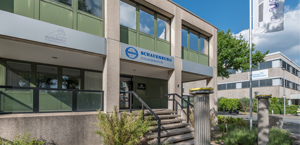
SCHAUENBURG Industrietechnik GmbH
Am Keuper 17
DE-90475 Nürnberg | Germany
Tel.: +49 9128 72 120 - 0
Fax: +49 9128 72 120 - 99
E-Mail:
www.schauenburg-industrietechnik.com ▸


Unsere Marken:
bpt Bayerische Profiltechnik®
VIGOT® Schlauchtechnik
Landingpages:
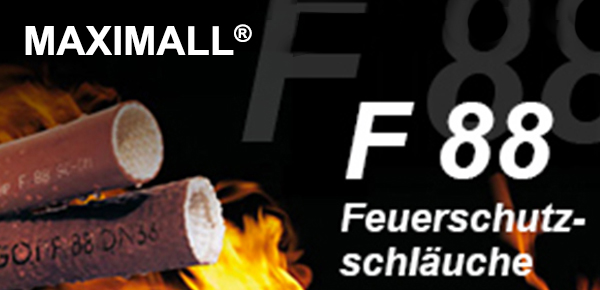
Feuerschutzschlauch ▸
MAXIMALL® Schlauchsysteme ▸
Kunststoffspritzguss ▸
Schlauchsysteme eKatalog ▸
Partnerschaften:
VIGOT® meets Braunwarth®
Überlingen, Deutschland
www.braunwarth-vigot.de ▸

Betriebsstätte Augsburg
Derchinger Str. 143
86165 Augsburg, Deutschland
Betriebsstätte Bremen
Ingolstädter Straße 7
28219 Bremen, Deutschland
Betriebsstätte Bochum
Wiescherstraße 86
44805 Bochum, Deutschland
Betriebsstätte Mülheim a.d. Ruhr
Lahnstraße 30
45478 Mülheim-Ruhr, Deutschland


Vertriebsbüro Baden-Württemberg
Adolf-Heim-Straße 11
74321 Bietigheim-Bissingen, Deutschland
Service Point Rhein-Main
Standort Hofheim am Taunus, Deutschland
www.mobile-schlauchpruefung.de ▸
Copyright 2026, Atlas Humble Circle





 Zu den Betriebsstätten ▸
 Starten Sie Ihre Karriere mit uns ▸