Defining Uplink Types
You define uplink types in the Sites & Networks page.
An uplink type is a name for similar functioning uplinks. On the SCC, uplink types can be used across multiple sites and path selection rules can be created using these names. The name must be unique at a site (but it can be same across different sites) so that the system can detect which path selection rule uses which uplinks. Because path selection rules are global on the SCC, you are restricted to 8 uplink types.
Uplink types are the building blocks for path selection. You select the path preference order using the uplink types created, and it is used in various sites. Riverbed recommends that you reuse the same uplink types at different sites in order to label uplinks based on the preference for path selection. For example, you can label uplink types as primary, secondary, and tertiary based on the path selection preference. The uplink type can be based on the type of interface or network resource, such as Verizon or global resource of uplink abstraction that is tied to a network.
Note: On the SteelHead, this field is called the Uplink Name, on the SCC it is the Uplink Type. Riverbed recommends using the same name for an uplink in all sites connecting to the same network.
To define an uplink type
1. Choose Manage > Topology: Sites & Networks to display the Sites & Networks page.
2. Under Uplink Types, click the > to expand the page.
3. Click the + to display the New Uplink Type dialog box.
Figure: New Uplink Types
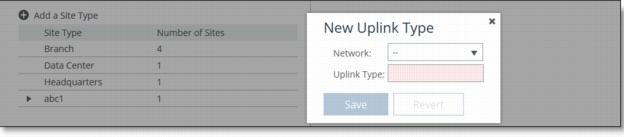
4. Complete the configuration as described in this table.
Textures.ini High Quality -
Subject: Mastering textures.ini - Texture Swapping & Fixes If you're using PPSSPP (Android/PC) to play games with custom textures, the textures.ini file is the brain of your modding efforts. It tells the emulator which textures to replace, when, and how.
Part 3: textures.ini in Rockstar Games (GTA V / RDR2)
Rockstar’s RAGE Engine uses a highly advanced texture streaming system. While modders often pack textures into .ytd files (using OpenIV), the textures.ini file appears in modding frameworks like Script Hook V or ENB Series to force texture overrides. textures.ini
Customizing Behavior: Setting global options like ignoreAddress = true (to handle textures that move in memory) or save = true (to dump game textures for editing). Subject: Mastering textures
To help tailor this, what game are you making a texture pack for? If you want, I can help you structure the file with proper paths, such as for the Patapon 3 Overhaul or another modded game. Color space correctness Extracting Hashes : Users first
Without this file, the game engine would not know which custom image corresponds to which in-game object.
Color space correctness
Extracting Hashes: Users first enable "Save new textures" in their emulator settings to identify the hash of the specific asset (like a kit or face) they want to change.
- CI pipelines use textures.ini to recreate builds reproducibly, enabling deterministic packaging and quicker iteration.
- Single-player modding (GTA V Story Mode, Skyrim, Cyberpunk 2077).
- Private servers (GMod, Minecraft, FiveM).
- Emulators (Dolphin, PCSX2).
5. Click Save to save your settings.